




Architectural design is not only about the shape and appearance of a structure, but also aims to develop environmentally compatible, functional and sustainable solutions that shape the user's experience. Our architectural firm produces original and innovative designs by balancing aesthetics and functionality in each project.
Creativity and Functionality
The design of a structure should be shaped in a way that meets the needs of the users in the most efficient way, as well as being aesthetically appealing. Our firm meticulously analyzes each project and plans spaces suitable for different uses, light and air flow in the most efficient way. We combine modern aesthetics with functionality in our designs by considering the relationship between interior and exterior spaces.
Environmental Responsibility and Sustainability
One of the most important elements of architectural design today is sustainability. Using natural resources efficiently, integrating energy-saving systems and using environmentally friendly materials constitute the cornerstones of our firm's design approach. Ensuring that structures are long-lasting and functional without harming the environment is not only an aesthetic choice, but also a responsibility.
Innovative and Functional Solutions
Our architectural firm offers unique solutions to each project by blending technology and innovative design with traditional architectural elements. Thanks to digital design tools, we produce faster and more efficient solutions at every stage of the projects. In this way, structures that meet expectations both visually and functionally emerge.
Customer-Focused Design Process
In every project, we prioritize the needs and expectations of our customers. The architectural design process is not just about creating a building, but also about transforming the design into a living space by taking user experience into consideration. For this reason, we work meticulously on every detail by constantly communicating with our customers at every stage of the projects.
As a result, architectural design is the process of creating an experience, an impression, beyond the physical existence of a structure. Our company integrates aesthetics, functionality and environmental awareness into each project and builds structures that meet the needs of both today and tomorrow.

Project management is the effective planning and organization of the resources, time, budget and manpower required to achieve a specific goal. Success in every project is measured not only by achieving the goals set at the beginning, but also by overcoming the difficulties encountered while achieving these goals. Project management is an important discipline that ensures that all these processes run smoothly, and it has an important place in the business world and the construction sector.
Basic Stages of Project Management
The project management process generally consists of five main stages:
Initiation: The scope, goals and requirements of the project are determined. This stage creates a vision for the project and defines the basic tasks of the project team.
Planning: How the project will progress, which resources will be used, with which schedule it will progress and with which budget it will be done are determined in detail. In addition, risks are analyzed and solution strategies are developed for possible problems.
Execution: The steps determined in the planning stage are implemented by the project team. Resources are allocated, tasks are assigned, and project monitoring begins. Good communication and coordination are critical at this stage.
Monitoring and Controlling: As the project progresses, it is continuously monitored how close it is to the set goals. Factors such as budget, time, and quality are checked and necessary adjustments are made.
Closing: When the project is complete, the results are evaluated and the project is closed. All documents are delivered, resources are released, and the lessons learned of the project are recorded.
Factors that Ensure Success in Project Management
The success of project management depends on several important factors:
Good Communication: Clear and regular communication between all project stakeholders is vital for the smooth progress of the project.
Time Management: Completing projects within the specified timeframes is one of the key elements of success. Using time effectively directly affects the success of projects.
Budget Control: Strict financial control is necessary to ensure that the project budget is not exceeded. Good budget management ensures the successful completion of the project.
Risk Management: Adopting a proactive approach to possible risks encountered in project management is important to overcome difficulties. Risks should be identified in advance and strategies should be developed against them.
Team Management: Strong leadership and motivation within the team are important for the efficient operation of the project team. Correctly evaluating the abilities of team members contributes greatly to the success of the projects.
The Role and Importance of Project Management
Project management not only ensures that a project is completed on time and in accordance with the budget, but also ensures that business processes operate efficiently, customer satisfaction increases and quality standards are maintained. Every successful project is the product of a strong project management approach. Therefore, professional project managers should have not only technical knowledge, but also communication, leadership and problem-solving skills.
As a result, effective project management means more than just building a structure. This process requires careful planning, coordination and management at every stage. Successful project management not only ensures that each project is completed with high quality, but also adds value to the project.
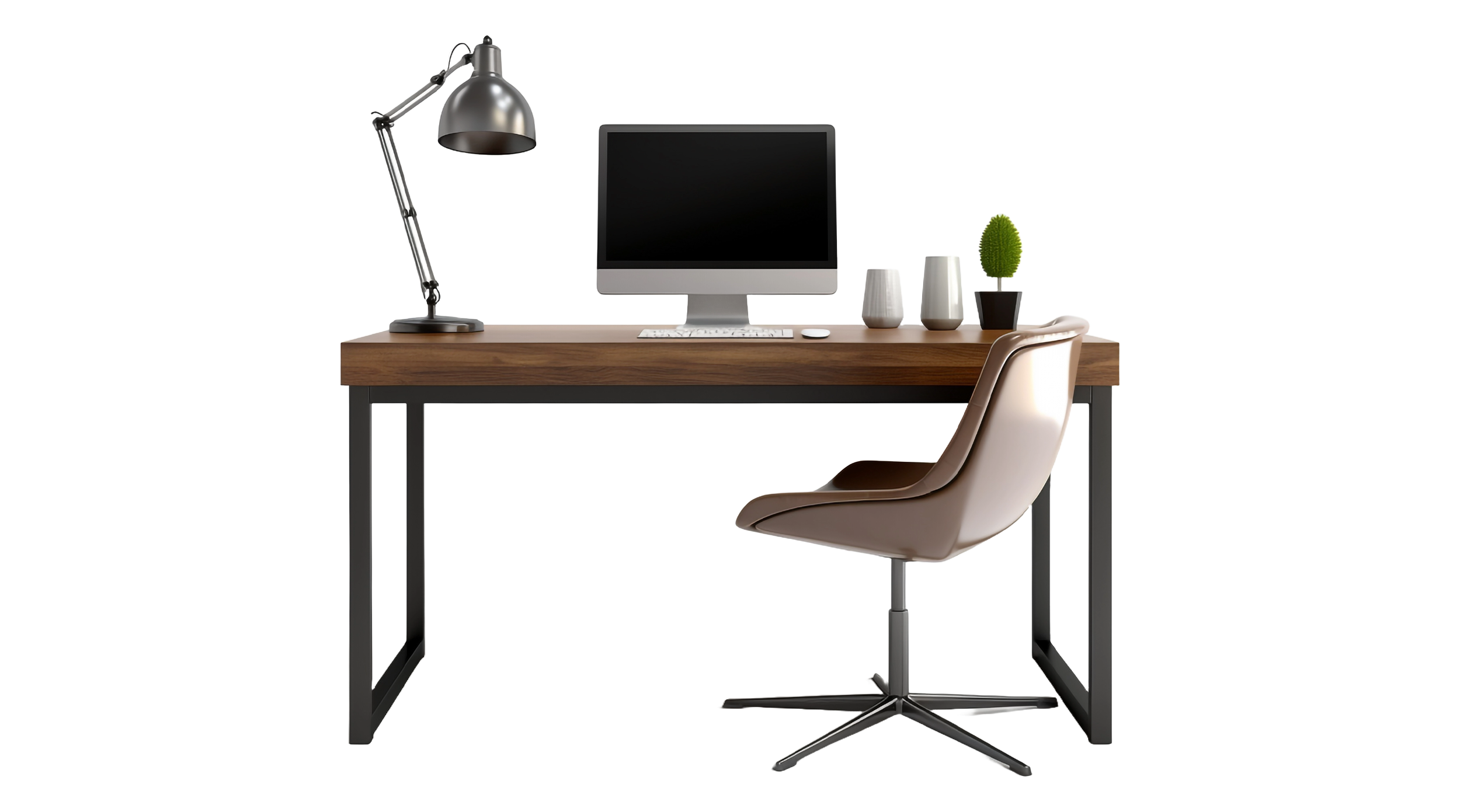
Office design is a critical element that directly affects a company's culture, employee productivity, and overall work environment. Office and fit-out (interior design) projects should be designed with not only aesthetics in mind, but also functionality and efficiency. A good office design provides all the necessary infrastructure for employees to work comfortably and efficiently.
What is Fit-Out?
Fit-out is the process of making an office or commercial space usable after the general construction phase. This includes the interior layout of the space, the installation of furniture, flooring, wall coverings, lighting, electrical and mechanical systems. Fit-out is an important step in making a building workable and functional after the basic structure of the building. It is usually applied in offices, retail stores, hotels, and other commercial areas.
Elements to Consider in Office Design
Employee Productivity: Employee productivity is an important factor in office design. Proper placement of different areas such as open spaces, individual study rooms, and meeting rooms facilitates workflow. Creating a comfortable working environment for employees increases their motivation and overall performance.
Communication and Collaboration: In office design, it is important to adequately place social areas and meeting rooms to increase communication between employees. While an open office layout encourages teamwork, private rooms are necessary for focus and individual work.
Aesthetics and Brand Identity: Office design should be compatible with the company's brand identity. Colors, furniture, and decoration elements should create an atmosphere that reflects the company's values and culture. Creating a space where the company's vision and mission can be felt in every corner is also motivating for employees.
Flexibility and Adaptability: Rapid changes are taking place in the business world. Therefore, office design should be flexible and adaptable. Modular furniture, movable walls, and flexible workspaces allow the office to change over time according to different needs.
Sustainability and Energy Efficiency: Environmentally friendly and energy efficient solutions in office design are becoming more and more important today. Elements such as the use of natural light, energy-saving devices, recyclable materials and green spaces are important parts of sustainable office design.
Fit-Out Process: Step by Step
Needs Analysis and Planning: The first step in the fit-out process is to understand the needs and expectations of the customer. Details such as workspace requirements, department layout, and meeting room needs are determined.
Project Design: After the needs analysis, the design concept for the office space is created. This is the stage where the general plan of the space, furniture arrangement, lighting, colors and materials are determined.
Permits and Approvals: In most cases, it is necessary to obtain the necessary permits from the local government for fit-out operations. These permits are critical for the safety of the structure and compliance with local regulations.
Construction and Implementation: After the project design is approved, the construction and implementation phase begins. This phase includes flooring, walls, ceilings, electricity, plumbing and other infrastructure processes.
Furniture and Equipment Installation: Office furniture, desks, chairs, shelves and other equipment are placed in accordance with the design. This phase ensures that the office is ready both functionally and aesthetically.
Final Checks and Delivery: After the fit-out process is completed, final checks are made. Non-functional areas are eliminated and the office is delivered to be opened for use.
The Importance of Office Fit-Out
Office fit-out processes provide all the elements that employees need to work efficiently. Businesses can create higher productivity, a better employee experience and a stronger corporate culture with an efficient office layout. A correct office design helps companies achieve their business goals while increasing employee motivation and loyalty.
As a result, office fit-out and design is not just a physical space arrangement, but also an important process that reflects the company's way of doing business, culture and vision. This process should be seen as an investment that increases productivity, satisfaction and success for employees and the business.

Real estate consultancy is an important service for buyers, sellers, tenants and investors. Consultants who specialize in this field offer in-depth knowledge on property purchase and sale, rental, valuation, investment consultancy and marketing strategies. The real estate market is affected by many factors such as economic fluctuations, local regulations and market trends, so the guidance of a professional consultant is of great importance.
Basic Service Areas of Real Estate Consultancy
Purchase and Sale Consultancy: Real estate purchase and sale involves a major investment decision. Consultants analyze the right prices, market trends and future values of properties, offering the best opportunities to buyers and sellers. They also help make the right decisions by making objective assessments about the value of the properties.
Leasing Services: Consultancy also plays an important role in office, residential or commercial space rental processes. It is the responsibility of experts in this field to determine the most suitable contract terms for both parties by balancing the expectations of tenants and landlords.
Investment Consulting: Real estate can be a valuable asset for long-term investors. Real estate consultants provide strategic guidance to investors to choose the right properties, minimize risks and achieve the highest returns. Investment consultants provide a variety of investment opportunities by conducting market analysis and clearly determine potential gains and risks.
Valuation and Analysis: Proper valuation of properties is critical for both buyers and sellers. Consultants determine a fair value for the property by considering market conditions, the physical condition of the property and regional developments. This analysis is used in purchase-sale decisions as well as insurance, tax and financing processes.
Marketing and Sales Strategies: Real estate consultants develop strategies for proper marketing of properties. This may include modern techniques such as professional photography, virtual tours, listings and social media marketing. Reaching the target audience and showing the value of the property in the best way is provided by the consultant's marketing strategies.
The Role and Importance of Real Estate Consultants
Market Knowledge: Real estate consultants have in-depth knowledge of local markets, price trends and potential development areas. This knowledge ensures that the right buying and selling decisions are made. In addition, having knowledge of the real estate laws and regulations in the region helps prevent potential legal problems.
Saving Time and Resources: Buying or selling a property is a time-consuming and complex process. Real estate consultants speed up this process, manage all processes professionally and ensure that their clients do not waste their time and energy. This allows buyers and sellers to focus solely on decision-making.
Legal and Administrative Support: Real estate transactions involve various legal documents, contracts and regulations. Real estate consultants assist in the correct preparation of these documents and compliance with applicable legal regulations. This ensures that the transaction is completed smoothly.
Risk Management: The real estate market is subject to economic fluctuations and uncertainties. A professional consultant analyzes market risks and guides investors, buyers and sellers to make the best decisions. At the same time, risks are minimized with strategies such as selling before the value of the property decreases or renting it out correctly.
Customer-Focused Solutions: Each client's needs are different. Real estate consultants provide customized solutions to each client, helping them achieve their goals. Whether buying a new home or making a commercial investment, they provide personalized consulting services at every step.
As a result, real estate consulting provides a valuable service for buyers and sellers with its expertise and experience in the sector. Working with a professional consultant ensures making the right decisions, minimizing risks and evaluating the best opportunities. Reliable guidance for both individual and commercial investments is an important contribution provided by real estate consultants.
